


Blog

Category: Stress and epigenetics
Stress and epigenetics
The connection between stress and its effects on the epigenetics of an individual human organism now plays an extremely important role in research.

Category: Phytonutrients
What are phytonutrients?
Phytonutrients (also known as secondary plant compounds) are bioactive compounds found in plants that give them color, flavor, and protection from pests. Although they are not essential for humans like vitamins or minerals, they have numerous health benefits.

Category: microRNA`s
What exactly are microRNAs (miRNAs)?
microRNAs (miRNAs) are small, non-coding RNA molecules with a length of approximately 18 to 25 nucleotides. They play a crucial role in gene regulation (epigenetics) by inhibiting the translation of messenger RNA (mRNA) or promoting its degradation. This allows them to influence numerous cellular processes, including cell growth, differentiation, apoptosis, and development.
Category: Anti-Ageing
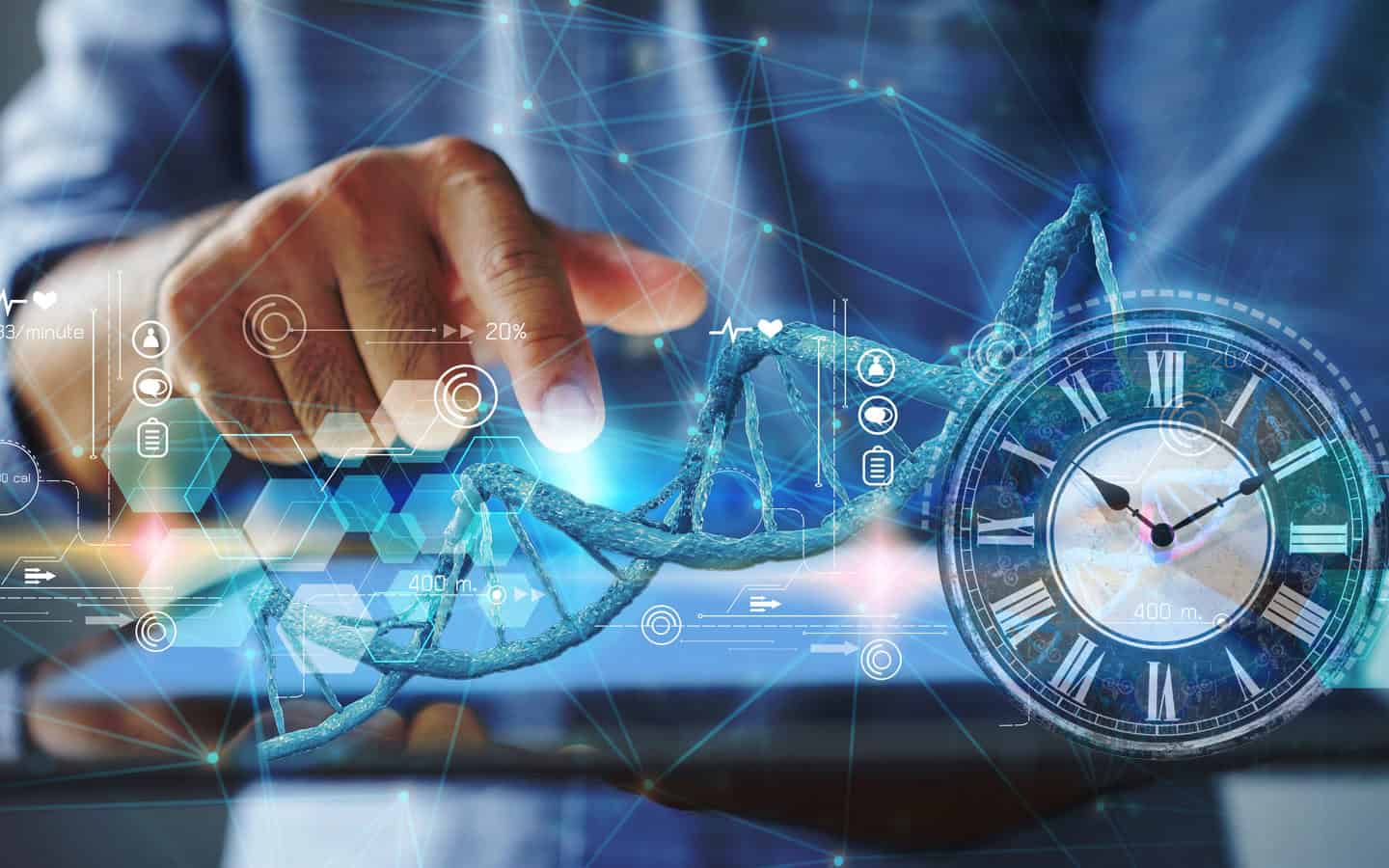
The fantastic, uncertain future of epigenetic clocks
Epigenetic clocks measure biological age via DNA methylation and are considered a promising tool in aging research. The approach developed by Steve Horvath could show how quickly we age—and whether aging processes can be influenced.

Category: Anti-Ageing
What needs to be done before aging becomes curable
The desire to extend human lifespan and promote healthier aging has evolved from a science fiction scenario to a tangible scientific goal. In recent years, advances in longevity research have fueled optimism that aging can be effectively combated in our lifetime.

Category: Anti-Ageing
The role of AI in extending healthspan
Artificial intelligence is fundamentally changing aging research: from aging clocks and clinical studies to personalized AI agents, the goal of understanding and slowing down aging itself is becoming a scientific reality for the first time.
Category: Anti-Ageing
The role of autophagy in muscle health
New research shows that it is not autophagy itself, but rather the regulation of energy metabolism, mitochondria, and the mTOR signaling pathway that could be crucial for keeping our muscles fit even in old age.

Category: Longevity
Can we increase our life expectancy? Science provides answers
Science shows that our genes only determine part of our lifespan—lifestyle factors such as sleep, nutrition, exercise, and social relationships are the key determinants of a longer life expectancy.

Category: Longevity
Signs of the times: How human organs age differently
People and their organs age at different rates – new biological clocks show how organ-specific aging processes are linked and could help detect diseases earlier and treat them more effectively in the future.

Category: Anti-Ageing
The age of centenarians is upon us, but we are not quite ready yet
More and more people are living to be 100 years old—but in order to make these additional decades meaningful, healthy, and financially secure, work, education, health, and communities need to be fundamentally rethought.

Category: Anti-Ageing
Maximum human life expectancy has not yet been reached
A new statistical study suggests that the maximum human lifespan has not yet been reached and that future generations have a good chance of significantly exceeding previous age records.

Category: Longevity
Does lifestyle influence genetic predisposition to longevity?
Our genes set the framework—but nutrition, exercise, stress management, and social connections can play a decisive role in determining how healthy we are and how long we live.