


Detailed evaluation
Nutagen Nutrigenetics uses much more comprehensive and accurate baseline data to determine the intervention than personalized products from competitors. Current providers analyze only static and inexpensive GEN SNPs (single nucleotide polymorphisms) in conjunction with the evaluation of a customer questionnaire to develop their products. Such genetic tests do not allow for a conclusive assessment of the individual's epigenetic response.
Nutagen goes a decisive step further and primarily analyzes a meaningful selection of epigenetic factors. Only the combination of selected basic data with a precision analysis of the “epigenetic = dynamic deviation” of an individual blueprint reveals which genes can be reactivated/deactivated and/or repaired with which phytonutrients. This holistic panel is based on the latest scientific research and has been extensively validated (*HealthBioCare NUTAGEN validation study Oct 2024).
1. Analysis of selected gene SNPs
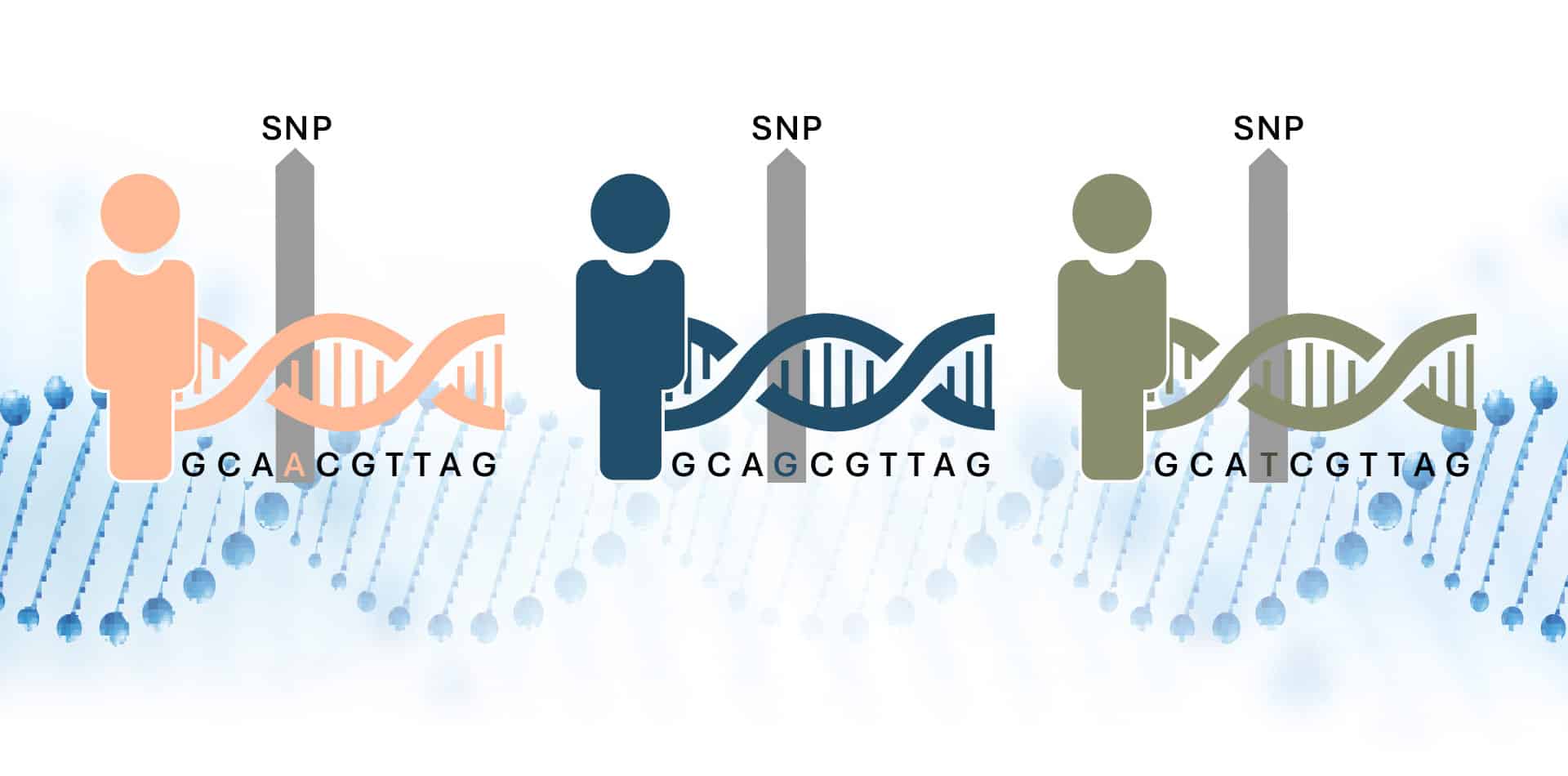
SNPs have been identified as playing a significant role in the development and progression of various diseases. Researchers leverage SNPs to identify genetic variants associated with specific diseases. This has led to the discovery of genes associated with various diseases, including heart disease, cancer, mental disorders (e.g., schizophrenia, depression), and autoimmune diseases (e.g., lupus) in medical research.
The identification of SNPs also allows treatment to be tailored to a person's individual genetic characteristics.
FTO (Fat Mass and Obesity-Associated Gene)
The FTO gene influences the regulation of body weight and fat accumulation. It plays a role in controlling appetite and energy balance by regulating energy expenditure and feelings of hunger.
2. MTHFR (Methylenetetrahydrofolate Reductase)
The MTHFR SNP (methylenetetrahydrofolate reductase) refers to genetic variants in the MTHFR gene, which is responsible for the production of an enzyme called methylenetetrahydrofolate reductase. This enzyme plays a central role in the metabolism of folate (vitamin B9), which is necessary for processes such as cell division, DNA repair, and the production of important molecules in the body. It is also crucial for the conversion of homocysteine to methionine, an amino acid that is important for protein synthesis and cell protection.
3. FADS1 (Fatty Acid Desaturase 1)
The FADS1 gene encodes an enzyme that enables the conversion of omega-3 and omega-6 fatty acids into their active forms (EPA and DHA). These fatty acids are crucial for cell membranes, the brain, and anti-inflammatory processes.
2. Precision analysis of specific epigenetic biomarkers (microRNAs)

Nutagen's analysis focuses in particular on molecules that are relatively unknown but extremely interesting, known as microRNAs or miRNAs (micro ribonucleic acids). These represent newly discovered biomarkers that perform very important key functions in the regulation of biological processes such as proliferation, differentiation, cell cycle, and apoptosis. The discovery and functionality of these molecules were awarded the Nobel Prize in Medicine in 2024.
miRNAs bind to messengerRNA (mRNA) and thus inhibit protein biosynthesis, reducing the amount of protein in the cell. To date, more than 2000 miRNAs have been identified, regulating about one-third of all protein-coding genes. The following miRNAs are individually evaluated using the laboratory test:
- 5 individual miRNAs for assessing physiological stress levels
- Chronic stress indicator 2 let7g-5p
- Serotonin-regulating indicator microRNA-16-5p
- Neuronal indicator microRNA-15a-5p
- Immune signal-activating indicator microRNA-106b-5p
- Cell protection indicator microRNA-21-5p
- 3 individual miRNAs for assessing the rate of aging and its slowing rate (longevity clock)
- microRNA-21 (biomarker for inflammation, cell stress, cardiovascular and age-related diseases)
- microRNA-24 (biomarker for cellular stress, aging, cardiovascular damage)
- microRNA-155 (biomarker for immune activation, inflammation, and age-related immune changes)
3. Measurement of telomere length

Another component of Nutagen's epigenetic precision analysis is the measurement of telomere length (telomere diagnostics), which allows for the accurate determination of biological age. The values are considered a reliable indicator of the "wear and tear" of the organism due to cell stress and cell damage. This allows for the assessment of the biological age and immunological performance of the organism. The laboratory meticulously evaluates the length of the telomeres in a sophisticated process. Each test result is then compared with the relevant data from an extensive database, which includes information from the respective age group. This allows the individual telomere length to be classified in comparison with the clinical average values.
The sum of all analysis markers and the evaluation of the customer questionnaire are used to create the customized Nutagen Nutrigenetics active ingredient formula.
It is important to note that, until recently, such complex and precise epigenetic laboratory diagnostics could only be performed with a blood sample. Nutagen is the first provider worldwide to require only a buccal swab for epigenetic precision analysis, following the successful completion and evaluation of a validation study (*HealthBioCare NUTAGEN Validation Study Oct 2024). Every customer can perform the task independently, conveniently, safely, and efficiently. Following the online registration process, Nutagen will dispatch a suitable analysis kit to the customer, accompanied by comprehensive instructions and a return envelope.