


The Nutagen ingredients
Nutagen Nutrigenetics – genuine, personalized nutritional supplements with an incredible 890 variants!
To ensure the effective personalization of nutrient combinations, it is essential to employ a highly complex approach to the respective organism, while also ensuring a logical, plausible, and user-friendly solution. With its novel and groundbreaking discoveries and approaches, epigenetics/nutrigenetics opens up a fantastic platform in the field of laboratory analysis methods for the creation of individual profiles. These profiles are then used as a basic reference for the calculation and composition of the nutrient complex.
Nutagen Nutrigenetics is a novel and ingeniously simple procedure that creates a 100% individualized nutrient formula for each user as part of a 90-day formulation. This formula is precisely tailored to the results of the epigenetic laboratory analysis.
The precise calculation of the individual complex is performed using specialized AI software, which is employed subsequent to the evaluation of the epigenetic precision analysis. The result is a genuine, individual formula of the highest quality nutrient complexes, 100% tailored to the respective user. Nutagen Nutrigenetics offers personalized nutritional supplementation with a total of 890 variants, an extensive range that is almost unimaginably large. 890 is approximately equal to 1.89713759 x 1081. To put it another way, this is equivalent to a 1 followed by 80 zeros, with the number 89713759 added on.
The result is a standardized product box with a total of 3 levels and 30 compartments (top insert = days 1 to 30, middle insert = days 31 to 60, bottom insert = days 61 to 90). Each small daily compartment contains a sachet filled with an individual nutrient complex for easy intake.

The active ingredients in detail

Magnesium
Magnesium plays a central role in many cellular processes, and there is growing evidence that it also influences epigenetics.

Zinc
Zinc is an essential trace element that is vital for many bodily functions, including the immune system, wound healing, and growth. The literature cites numerous indications of zinc's important role in epigenetics, healing and growth. The literature cites numerous indications of zinc's important role in epigenetics.

Ginger
Ginger is not only a popular spice, but is also valued in traditional medicine for its many health benefits. Recent research suggests that ginger may also affect epigenetics, i.e., the mechanisms that influence gene expression without altering the DNA sequence itself.

Turmeric
Turmeric, the golden yellow spice that plays an important role in both Indian cuisine and traditional medicine, contains an active ingredient called curcumin, which has been the subject of intensive research in recent years for its potential health benefits. In addition to its antioxidant and anti-inflammatory properties, recent studies suggest that curcumin may also influence epigenetics.
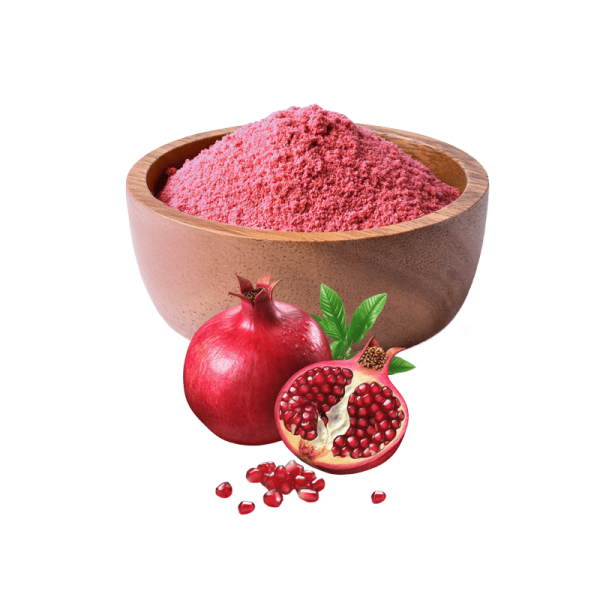
Pomegranate
Pomegranate, a fruit rich in antioxidants and bioactive compounds, has long been valued for its potential health benefits. In recent years, interest in the effects of pomegranate on epigenetics has grown.

White tea
White tea, one of the least processed types of tea, is made from the young leaves of the Camellia sinensis tea plant and is not only known for its mild flavor and antioxidant properties. Recent research suggests that white tea may also have an effect on epigenetics.

Resveratrol
Resveratrol, a natural compound found in various plants, particularly grapes, red wine, and berries, has attracted a lot of attention in recent years due to its potential health benefits. In addition to its antioxidant and anti-inflammatory properties, recent studies suggest that resveratrol may actively influence epigenetics.

Olive leaves
Olive leaves, a by-product of olive oil production that is often used in the Mediterranean region, are rich in bioactive compounds, particularly polyphenols such as oleuropein. In addition to their traditional uses and proven health benefits, such as antioxidant and anti-inflammatory effects, current research suggests that olive leaves may also influence epigenetics.

Ginseng
Ginseng, a root used for centuries in traditional Chinese medicine, is known for its many health benefits. In addition to its adaptogenic, antioxidant, and anti-inflammatory properties, recent studies suggest that ginseng also influences epigenetics.

Grapefruit
Grapefruit, a citrus fruit known for its refreshing taste and potential health benefits, may also have an effect on epigenetics.

Vitamin A
Vitamin A, also known as retinol, is a fat-soluble vitamin that plays an important role in many bodily functions, including vision, the immune system, cell growth, and differentiation.

Vitamin B1
Vitamin B1, also known as thiamine, is important for energy metabolism and nervous system function.

Vitamin B2
Vitamin B2, also known as riboflavin, plays an important role in energy metabolism andVitamin B9

Vitamin B3
Vitamin B3, also known as niacin, is a water-soluble vitamin that plays an important role in energy metabolism. Scientific research has also attributed an effect on epigenetics to vitamin B3.

Vitamin B6
Vitamin B6, also known as pyridoxine, is a water-soluble vitamin that plays an important role in many bodily functions, including the metabolism of proteins, carbohydrates, and fats, as well as the formation of neurotransmitters. There is also considerable evidence that vitamin B6 has an influence on epigenetics.

Vitamin B7
Vitamin B7, also known as biotin, is a water-soluble vitamin that plays an important role in various metabolic processes, particularly in carbohydrate, fat, and protein metabolism. Although research is not yet as extensive as for other B vitamins, there is evidence that vitamin B7 may also influence epigenetics.

Vitamin B9
Vitamin B9, also known as folic acid or folate, is a water-soluble vitamin that plays a crucial role in many bodily functions, particularly cell growth and DNA synthesis. It is therefore not surprising that vitamin B9 also influences epigenetics.

Vitamin B12
Vitamin B12, also known as cobalamin, is an essential water-soluble vitamin that plays an important role in various bodily functions, including red blood cell formation, nervous system function, and DNA synthesis.

Vitamin C
Vitamin C, also known as ascorbic acid, is a water-soluble vitamin known for its antioxidant properties and role in collagen synthesis. New research suggests that vitamin C may also influence epigenetics, which has far-reaching implications for health.

Vitamin D
Vitamin D, often referred to as the “sunshine vitamin,” is known for its role in calcium absorption and bone health. However, recent research suggests that vitamin D also has a significant impact on epigenetics.

Vitamin E
Vitamin E, tocopherol, is a fat-soluble vitamin with antioxidant properties that is known for its role in maintaining healthy skin and eyes and for supporting the immune system.

Vitamin K
Vitamin K is a fat-soluble vitamin that is best known for its role in blood clotting. Vitamin K is capable of exerting positive influences on epigenetics.
Pomegranate
DNA methylation::
Studies suggest that pomegranate extracts and certain ingredients, such as punicalagins, may influence DNA methylation.
Histone modification:
Pomegranate may also influence histone modification.
microRNAs:
Some research suggests that pomegranate may alter the expression of microRNAs.
Ginger
DNA methylation:
In vitro studies have shown that ginger constituents such as gingerol can influence DNA methylation.
Histone modification:
Ginger can also actively modulate histone modification..
microRNAs:
In vitro studies suggest that ginger can alter the expression of microRNAs. microRNAs are small RNA molecules (biomarkers) that regulate gene
expression.
Turmeric
DNA methylation:
Curcumin may influence the activity of enzymes involved in DNA methylation.
Histone modification:
Curcumin can also influence histone modification.
microRNAs:
Curcumin can influence the expression of microRNAs. microRNAs are small RNA molecules (biomarkers) that can regulate gene expression.
Magnesium
DNA methylation::
Magnesium is a cofactor for enzymes involved in DNA methylation and can thus indirectly influence gene expression by altering DNA methylation.
Histone modification:
Studies suggest that magnesium can influence the acetylation and methylation of histones.
Chromatin structure:
Magnesium plays a role in stabilizing chromatin structure, the complex structure of DNA and proteins that forms the cell nucleus. Changes in chromatin structure can influence gene expression.
Zinc
DNA methylation:
Like magnesium, zinc is a cofactor for enzymes that are actively involved in DNA methylation.
Histone modification:
Zinc also plays a role in histone modification. Zinc can influence both the acetylation and methylation of histones.
Chromatin structure:
Zinc is important for the stability of chromatin structure. Chromatin is the complex structure of DNA and proteins that forms the cell nucleus. Changes in chromatin structure can influence gene expression.
microRNAs:
Zinc can influence the expression of microRNAs. microRNAs are small RNA molecules (biomarkers) that mainly regulate gene expression.
Vitamin A
DNA methylation:
Vitamin A can indirectly influence DNA methylation because it is involved in the formation of SAM, a molecule that is necessary for DNA methylation.
Histone modification:
Vitamin A and its metabolites, such as retinoic acid, can influence histone modification. Studies suggest that vitamin A is involved in the acetylation and methylation of histones.
Gene expression:
Vitamin A and its metabolites can directly influence gene expression by binding to specific receptors and activating or suppressing gene transcription.
Vitamin B1
DNA methylation:
Methylation is an important epigenetic mechanism that regulates gene expression. Vitamin B1 is involved in processes that influence DNA methylation.
Histone modification:
Histones are proteins around which DNA is wrapped. Changes to histones can influence gene expression. Vitamin B1 is involved in the modification of histones.
microRNAs:
microRNAs are small RNA molecules (biomarkers) that actively regulate gene expression.
Vitamin B2
DNA methylation:
Vitamin B2 is involved in the formation of FAD, a coenzyme that is important for the function of some enzymes involved in DNA methylation.
Histone modification:
Vitamin B2 can also influence histone modification.
Gene expression:
Some studies have shown that vitamin B2 can influence gene expression.
Vitamin B3
DNA methylation:
Vitamin B3 is involved in the formation of NAD+, a coenzyme that is important for many cellular processes, including DNA methylation.
Histone modification:
Studies suggest that vitamin B2 is involved in the modification of histones.
Gene expression:
Some studies have shown that vitamin B3 can influence gene expression.
Vitamin B6
DNA methylation:
Vitamin B6 is involved in the formation of SAM, a molecule that is important for DNA methylation.
Histone modification:
Vitamin B6 may also influence histone modification.
Gene expression:
Some studies have shown that vitamin B6 can influence gene expression.
Vitamin B7
Histone modification:
Vitamin B7 is a cofactor for enzymes involved in the modification of histones. Studies suggest that vitamin B7 can influence the acetylation of histones.
Gene expression:
Some studies have shown that vitamin B7 can influence gene expression. For example, it has been observed that vitamin B7 influences the expression of certain genes in immune cells.
Vitamin B9
DNA methylation:
Vitamin B9 is an important factor in one-carbon metabolism, which is essential for DNA methylation. Vitamin B9 is involved in the formation of SAM, a molecule necessary for DNA methylation. Thus, vitamin B9 can directly influence DNA methylation and, consequently, gene expression.
Histone modification:
Although research in this area is not as advanced as in DNA methylation, there is already clear evidence that vitamin B9 can also influence histone modification.
Vitamin B12
DNA methylation:
Vitamin B12 is an important factor in one-carbon metabolism, which is essential for DNA methylation. Vitamin B12 is involved in the formation of SAM, a molecule necessary for DNA methylation. Thus, vitamin B12 can directly influence DNA methylation and, consequently, gene expression.
Histone modification:
Studies suggest that vitamin B12 is involved in the modification of histones, which affects gene expression.
Vitamin C
DNA demethylation:
Vitamin C is a cofactor for enzymes involved in DNA demethylation. Vitamin C can therefore increase the activity of these enzymes and promote DNA demethylation.
Histone modification:
Vitamin C can also influence histone modification. Histones are proteins around which DNA is wrapped. Studies suggest that vitamin C influences the acetylation of histones.
Gene expression:
Some studies have shown that vitamin C can influence gene expression.
Vitamin D
DNA methylation:
Vitamin D can influence the activity of enzymes involved in DNA methylation.
Histone modification:
Vitamin D can also influence histone modification.
microRNAs:
Vitamin D has a direct effect on the expression of microRNAs.
Vitamin E
Antioxidant effect:
Vitamin E is a powerful antioxidant that can protect cells from damage caused by free radicals. Free radicals can cause DNA damage, which can lead to epigenetic changes. Through its antioxidant effect, vitamin E could indirectly influence epigenetics by reducing the development of DNA damage.
Influence on enzymes:
There is evidence that vitamin E can influence the activity of enzymes involved in epigenetic processes, such as DNA methyltransferases and histone-modifying enzymes.
Gene expression:
Some studies suggest that vitamin E can influence gene expression.
Vitamin K
DNA methylation:
Vitamin K can indirectly influence DNA methylation because it is involved in the formation of proteins.
Histone modification:
Studies suggest that vitamin K is involved in the acetylation and methylation of histones.
Gene expression:
Vitamin K can directly influence gene expression by binding to specific receptors and activating or suppressing gene transcription.
White tea
DNA methylation::
Studies suggest that ingredients in white tea, such as epigallocatechin-3-gallate (EGCG), may influence DNA methylation.
Histone modification:
White tea can also influence histone modification. Histones are proteins around which DNA is wrapped.
microRNAs:
Some research suggests that white tea may alter the expression of microRNAs.
Resveratrol
DNA methylation:
Resveratrol can influence the activity of enzymes involved in DNA methylation.
Histone modification:
Resveratrol can influence histone modification.
microRNAs:
Resveratrol can influence the expression of microRNAs.
Olive leaves
DNA methylation:
Studies suggest that certain compounds in olive leaves, such as oleuropein, may influence DNA methylation.
Histone modification:
There is evidence that olive leaves may also influence histone modification.
microRNAs:
Some research suggests that olive leaves may alter the expression of microRNAs.
Ginseng
DNA methylation:
Studies suggest that ginsenosides may influence the activity of enzymes involved in DNA methylation.
Histone modification:
There is evidence that ginsenosides may also influence histone modification.
microRNAs:
Some research suggests that ginseng may alter the expression of microRNAs
Grapefruit
DNA methylation:
Studies suggest that compounds in grapefruit, such as naringin, may influence DNA methylation.
Histone modification:
Grapefruit may also influence histone modification.
microRNAs:
Some research suggests that grapefruit may alter the expression of microRNAs.